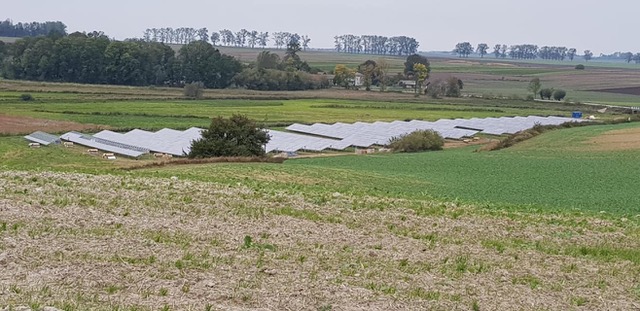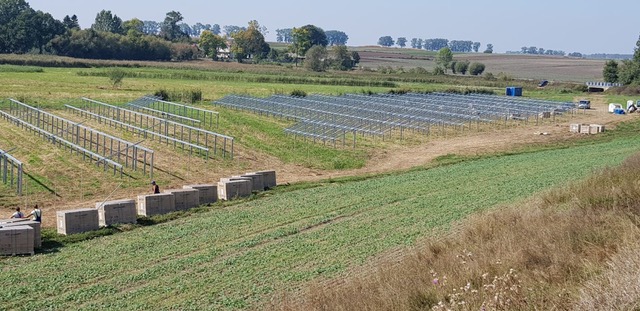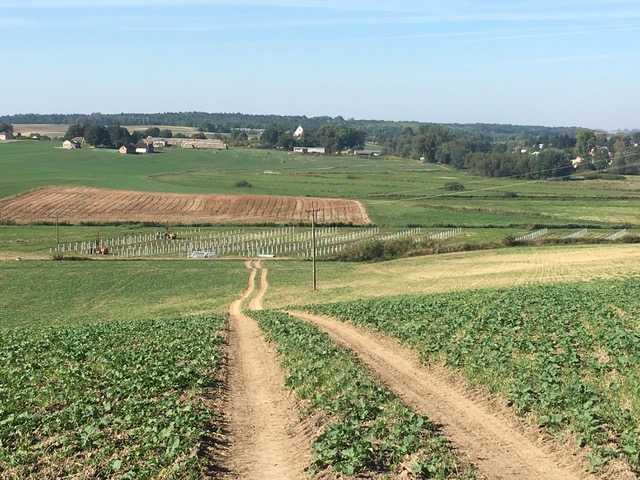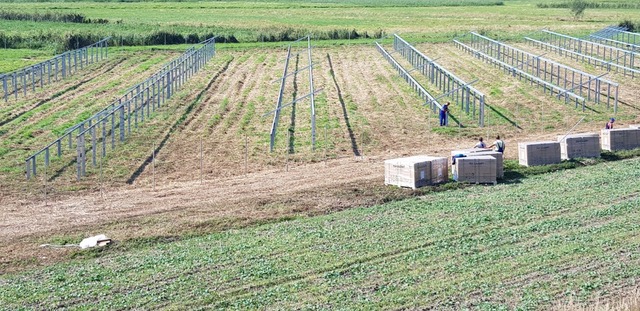
A conventional solar farm and arable field have usually been mutually exclusive. Agrivoltaics changes that logic by allowing sunlight to support both agricultural production and the power grid.
What is agrivoltaics?
Agri-PV systems raise modules and increase spacing so crops, livestock or farm machinery can operate below and between them. Energy yield per hectare may be lower than in a dense conventional layout, but combined agricultural and electricity revenue can improve total land productivity.
What can grow beneath modules?
European and Japanese research shows promising results for potatoes, beet, leafy vegetables, soft fruit and sheep grazing. Partial shade can reduce evaporation and protect some crops during hot weather.
Technical and legal challenges
Higher structures cost more and must accommodate specialised machinery. Polish planning, construction and agricultural-land rules can also make approvals more complex, particularly on high-quality soils.
European experience
Germany and France have developed operating projects and research programmes, while Polish pilot installations have begun to test solutions under local conditions.
The future of Agri-PV
Rising energy costs, drought and the need for efficient land use all support further growth. With clear regulation and good design, Agri-PV can become an important part of modern agriculture.